

Research & Evaluation
The Kranky Thumb Collective is dedicated to rigorously measuring and evaluating the outcomes of our programs and interventions. In collaboration with academic and technology-focused partners, we conduct mixed-methods empirical studies—combining pre- and post-survey metrics with qualitative cohort research—to assess how our practices impact meaning-making and alleviate digital distress.
We actively gather and analyze data on screened device habits, social media engagement, and AI technologies. We leverage these insights to ground our curriculum in evidence, challenge prevailing cultural assumptions, and to promote collective mental health and wellness for all people.
We publicly share our data sources, evaluation frameworks, and research findings to support educators, spiritual leaders, and researchers. Please email info@krankythumbcollective.org with any questions or corrections. Thank you for your support of the Collective!
Research Collaborators
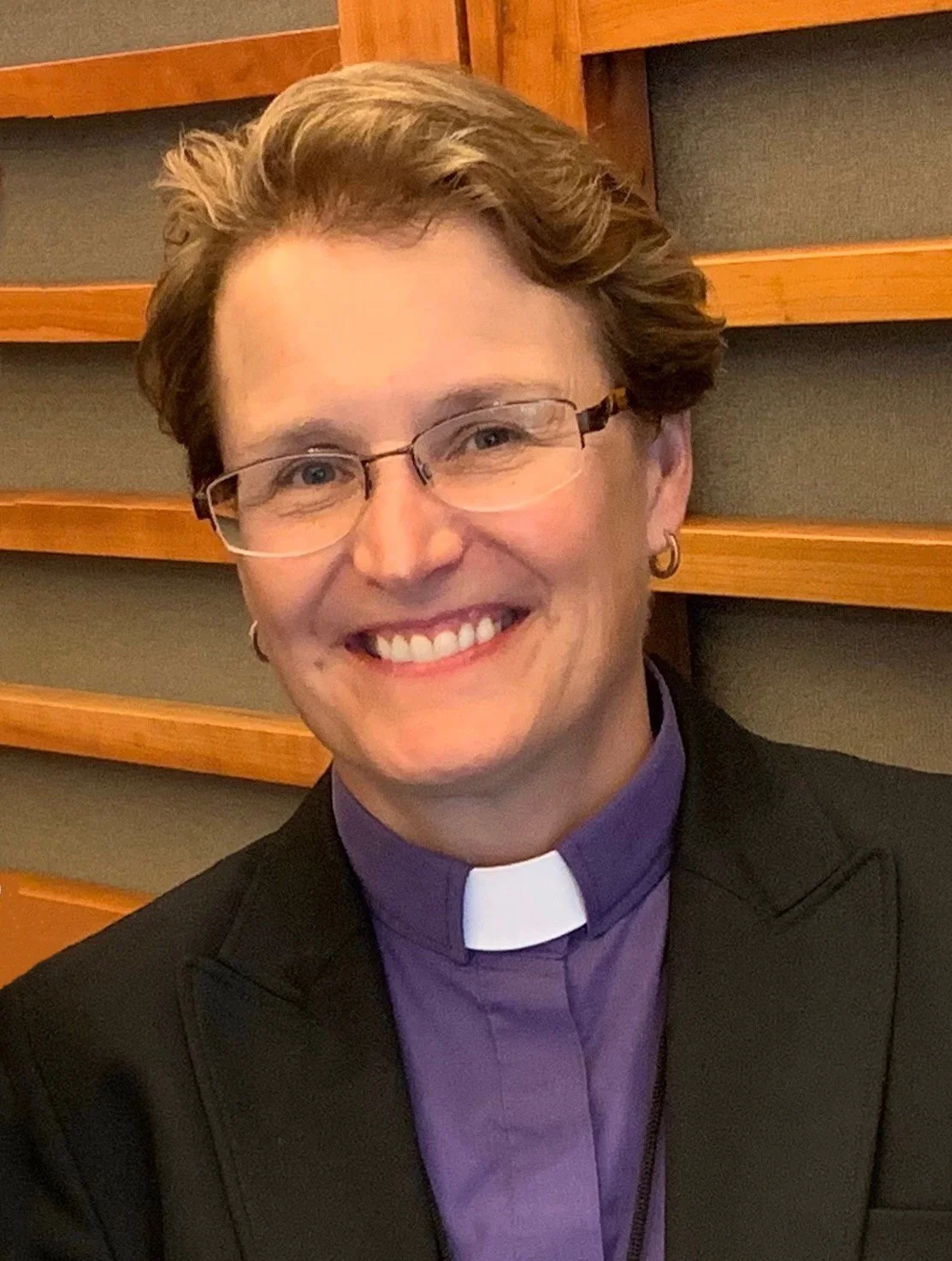
Rev. Dr. Marian Edmonds-Allen — Research Collaborator & Senior Advisor
Rev. Dr. Marian Edmonds-Allen brings deep interdisciplinary expertise at the intersection of theology, neuroscience, artificial intelligence, and human flourishing. She serves as an Advisor to the Neurospirituality Lab at Mass General Brigham/Harvard Medical School and is the Founder of FaithWise.ai, an initiative equipping communities to navigate AI while strengthening moral agency and wisdom. Marian is also the creator of the Personal Moral Compass (PMC), an ethic framework designed to foster values-centered reflection in technologically mediated environments. Her work bridges academic research and practical tools to support intentional screen practices, personal moral agency, and spiritual formation.
Core Research Questions
We Work to Address:
Does spirituality foster deeper meaning-making when it is nurtured as part of a spiritual digital wellness framework?
To what extent can spiritual digital wellness frameworks serve as mechanisms for reclaiming personhood and personal agency, and how do they nurture deep meaning-making in the AI digital age?
Does an established ‘Personal Moral Compass’ ethical framework interrupt existential trauma for individuals and communities navigating the rapid societal changes increasingly experienced in the AI digital age?